Team Member Spotlight of the Month
We love to feature our team members for their quality of work and assets they bring to the Partnership. Check back each month for a new team member spotlight.
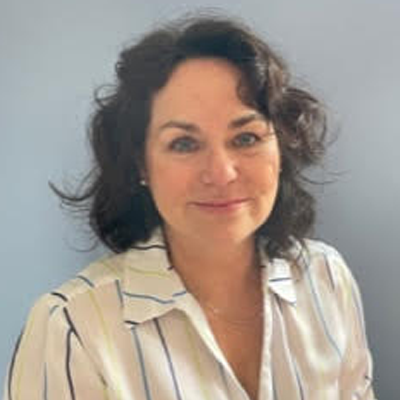
Kris Herakovich Curtis, EdD
VTSS Systems Coach
What is your role at the Partnership and what does it involve?
As a VTSS Systems Coach, I provide coaching to school divisions to build a sustainable framework that integrates academics, behavior, and mental wellness.
I also serve as Co-Director of Project CONNECTS (Co-Creating Open Networks for Nurturing Engagement, Collaboration & Trust with Schools), supporting families and schools in building strong partnerships for students with disabilities.
What inspired you to join the Partnership?
I held a part-time job while completing my master’s degree, working one-on-one with a sweet 5-year-old diagnosed with autism. I saw firsthand how meeting a child where they are, with patience and individualized instruction, makes a difference. After spending 20 years serving schools and divisions directly, I dreamed of expanding my impact. Joining PPD allows me to use my experience on a broader scale. I believe our work strengthens systems in ways that help educators sustain improved student outcomes while also creating more rewarding and supportive environments for staff.
How does your work contribute to the mission of the Partnership?
One of my passions is family engagement. Through my roles with VTSS and Project CONNECTS, I collaborate with incredible staff to strengthen partnerships between home and school. I believe that by consistently investing in this work, we can build meaningful, lasting relationships with families that support student success. These efforts directly contribute to the Partnership’s mission by fostering more connected, supportive learning communities.
What’s something you're proud of accomplishing in your role?
We were able to secure a $100,000, 5-year grant with Project CONNECTS!
What does a typical day look like for you?
It’s a good start to my day when I have time in the morning to get organized and prepare before my meetings begin. Most days are a nice balance. While much of my time is spent working virtually with teams, I have opportunities to work in school divisions or conduct and attend professional learning events. This variety keeps my work engaging and allows me to connect in meaningful ways.
What do you enjoy most about the work you do here?
The people! I have the privilege of working alongside incredibly knowledgeable and supportive colleagues who bring a depth of expertise to everything they do. Whether I need guidance on a specific topic or want to collaborate on an idea, there’s always someone I can turn to. I value the trust we have in one another to get work done, while maintaining a sense of fun and enjoying the process. This combination of professionalism and collaboration is what truly makes this work so rewarding.
How do you collaborate with other team members or partners?
I collaborate primarily using tools like Zoom to stay connected and productive. Virtual platforms allow us to co-edit documents, share resources efficiently, and exchange ideas, regardless of location. While I value and miss the energy of in-person collaboration, we’ve learned that technology offers wonderful flexibility.
What experience or background do you bring to the team?
I’m a task master. 😊I enjoy thinking strategically about how to present ideas in ways that resonate with others, supporting meaningful collaboration, and sharing details in an easily consumable way. Whether I’m structuring content, designing tools, or working alongside colleagues, my goal is always to create resources that make the work easier and more impactful for everyone involved.
What excites you about the future of this work?
I’m energized by the idea that our work is building a foundation where educators feel supported, families feel valued, and students benefit from a more connected and responsive environment. Being part of something that is growing, evolving, and making a lasting difference on a larger scale is incredibly motivating.
What’s one thing you wish more people understood about the work we do?
That sustainable change takes time. The work we do is most successful when it’s supported by strong leadership and embraced by staff who are open to integrating tiered supports into all aspects of the school day. When this happens, it doesn’t feel like “one more thing,” and instead, it becomes part of how the work is done.